

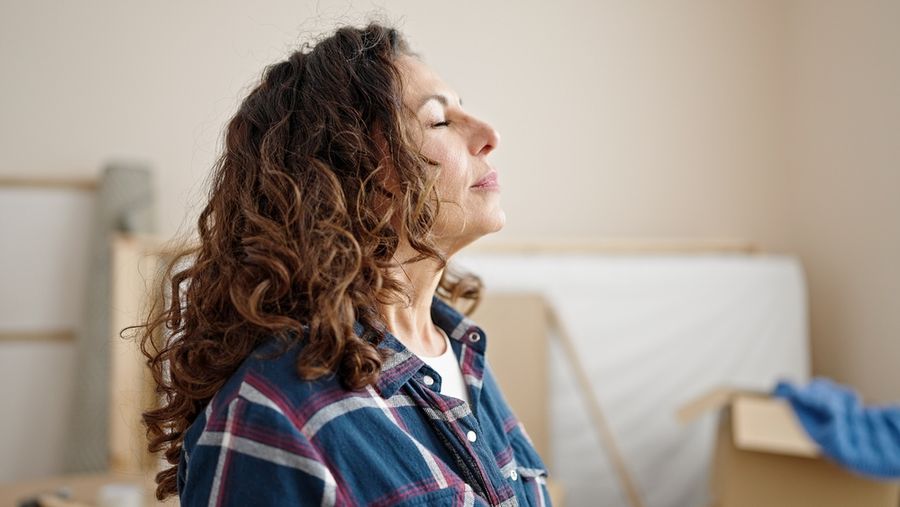
Stress is a normal part of life, but how your body responds to it makes a big difference over time. Breathwork is one of the simplest tools for building stress resilience because it works directly with your nervous system. By changing how you breathe, you can influence heart rate, muscle tension, and mental clarity. Popular techniques require no equipment and can be practiced almost anywhere, making them practical tools for managing daily stress more effectively.
Why Breathwork Helps With Stress
Breathing patterns send signals to your brain about safety or danger. Shallow, fast breathing tells your body to stay on alert, while slow, steady breathing signals calm. Many people breathe shallowly when stressed without realizing it, which keeps the body locked in a tense state.
Intentional breathwork helps break that cycle. By slowing the breath and increasing awareness, you activate the body’s natural calming response. Over time, practicing breathwork regularly can make it easier to recover from stress instead of staying stuck in it.
1. Box Breathing for Mental Control
Box breathing is a structured technique often used to regain focus during stressful moments. It involves four equal phases: inhale, hold, exhale, and hold again. Each phase is typically counted to four, forming a simple rhythm.
To practice, inhale through your nose for four counts, hold for four, exhale slowly for four, and hold again for four before the next inhale. Repeat this cycle for several minutes. The steady pattern helps slow the heart rate and bring attention away from racing thoughts. Box breathing works well before meetings, during moments of anxiety, or anytime you feel mentally overwhelmed.
2. Extended Exhale Breathing for Nervous System Calm
This technique focuses on making the exhale longer than the inhale. Longer exhales help activate the part of the nervous system responsible for relaxation. It is especially useful when stress shows up as tension, restlessness, or irritability.
Start by inhaling through your nose for a count of four. Then exhale slowly through your mouth for a count of six or eight. Keep the breath smooth and unforced. After a few minutes, many people notice their body beginning to soften. This method is simple, subtle, and easy to use during work breaks or before sleep.
3. Diaphragmatic Breathing for Physical Relaxation
Diaphragmatic breathing , also known as belly breathing, encourages full breaths that engage the diaphragm rather than the chest. This style of breathing improves oxygen flow and reduces muscle tension that builds up during stress.
To practice, place one hand on your chest and one on your stomach. Inhale through your nose and aim to move the hand on your stomach while keeping the chest relatively still. Exhale slowly and fully. Practicing this for five to ten minutes can help reduce tightness in the shoulders, neck, and jaw. Over time, it trains your body to breathe more efficiently during everyday activities.
4. Rhythmic Breathing for Emotional Balance
Rhythmic breathing uses a steady, repeating pace to bring balance to emotional states. Unlike box breathing, the inhale and exhale flow continuously without holds. This creates a calming rhythm that can feel soothing and grounding.
A common pattern is inhaling for four counts and exhaling for four counts through the nose. The key is consistency rather than depth. This technique works well during prolonged stress, such as during long workdays or emotional conversations. The even rhythm helps stabilize emotions and prevents stress from escalating.
5. Physiological Sigh for Rapid Stress Release
The physiological sigh is a quick technique designed to release built-up tension fast. It involves two short inhales followed by a long exhale. This pattern helps release excess carbon dioxide and signals the body to relax.
To try it, inhale through your nose, pause briefly, then take a second short inhale to fully fill the lungs. Exhale slowly through the mouth with a sigh. Repeat this two or three times. This technique is especially useful during moments of sudden stress, frustration, or pressure. It can create a noticeable shift in how your body feels within seconds.
How to Build Breathwork Into Daily Life
Breathwork does not require long sessions to be effective. Short, regular practice builds familiarity and makes it easier to use these techniques when stress arises. Even one to three minutes at a time can be helpful.
Many people link breathwork to daily cues, such as waking up, sitting down to work, or preparing for bed. This makes the habit easier to maintain. Over time, your body learns to respond more quickly to calming signals, which improves overall stress resilience.
Common Mistakes to Avoid
One common mistake is trying to force the breath. Breathwork should feel controlled but gentle. If you feel dizzy or strained, return to a natural breathing pace. Another mistake is only using breathwork during high stress. Practicing during calm moments builds skill and confidence, making it more effective when you really need it.
Consistency matters more than perfection. It is better to practice briefly and often than to wait for long, ideal sessions.
Breathing as a Tool for Resilience
Breathwork is a powerful, low-effort way to improve how your body responds to stress. Techniques like box breathing, extended exhales, diaphragmatic breathing, rhythmic breathing, and the physiological sigh offer different ways to calm the nervous system and regain balance.
With regular practice, these methods help you recover from stress more quickly and feel more in control during challenging moments. Over time, intentional breathing becomes less of an exercise and more of a natural response to daily pressure.