

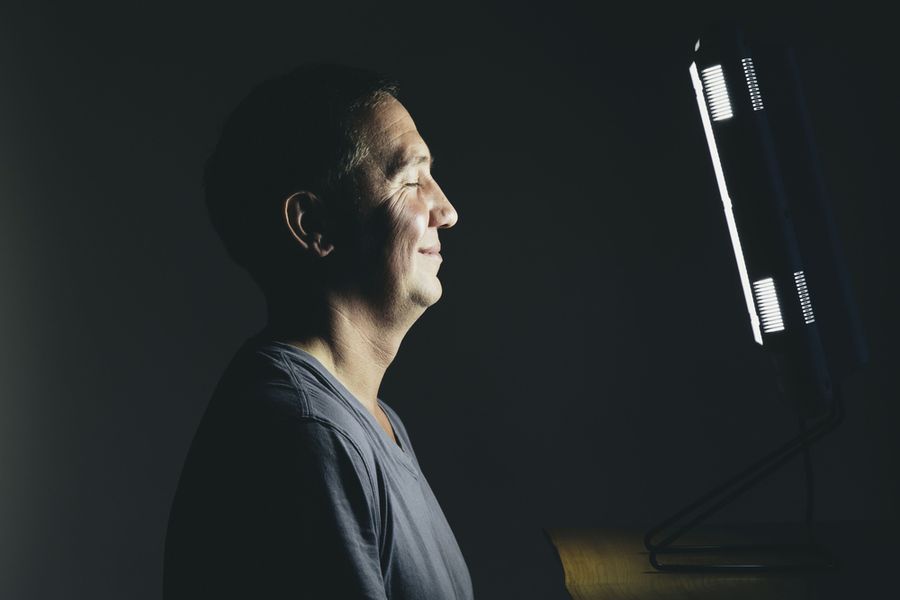
Many people struggle with low energy in the morning, especially during darker months or when schedules disrupt sleep routines. Light therapy lamps are tools designed to mimic natural sunlight and help reset your internal clock. By exposing your eyes to bright light early in the day, you can boost alertness and support your body’s natural wake-up signals. It's important to understand how light therapy works and how to use it safely before you start.
What Light Therapy Is and How It Works
Light therapy, also known as bright light therapy or phototherapy, uses a specially designed lamp that emits intense light similar to daylight. The idea is to expose your eyes to this light for a set period, usually in the morning, to influence your body’s circadian rhythm — the internal process that tells you when to wake up and fall asleep.
Your internal clock responds to light cues. Natural sunlight in the morning helps your brain reduce sleep-promoting hormones like melatonin and increase alertness. A light therapy lamp aims to replicate that effect when outdoor light is limited, such as in winter months or for people who work early shifts.
When used correctly, a light therapy lamp can help improve mood , energy, and timing of your daily rhythm. It is not about staring directly at the lamp, but rather receiving enough light in your field of vision while you do another quiet activity such as reading or having breakfast.
Benefits People Often Experience
One of the main reasons people use light therapy lamps is to feel more awake in the morning. When your body does not receive enough bright light upon waking, you may feel groggy or slow to start your day. A lamp that delivers bright, full-spectrum light early in the morning can help shift that pattern.
In addition to improved morning energy, people report better focus, more consistent sleep at night, and a lift in mood. Some users find that light therapy reduces feelings of seasonal slump that occur during shorter winter days. Because the lamp helps adjust your internal clock, it can make rising and falling asleep feel more natural.
It’s important to note that results vary by individual. Many people notice changes within a few days to a couple of weeks of consistent use. Tracking your energy, sleep patterns, and mood can help you understand whether the lamp is helping you personally.
How to Use a Light Therapy Lamp Safely
Using a light therapy lamp correctly is key to getting benefits without discomfort. Most experts recommend using the lamp in the morning shortly after waking. Sitting near the lamp with your eyes open — but not staring directly at the light — for about 20 to 30 minutes can be effective. Position the lamp at a slight angle so the light enters your field of vision naturally while you go about a simple morning routine.
Avoid using the lamp late in the day or close to bedtime because it can interfere with your ability to fall asleep. Light exposure at night sends strong wake-up signals to your brain, which is the opposite of what you want when preparing for rest.
A good light therapy lamp is bright (often around 10,000 lux at a comfortable sitting distance), flicker-free, and designed to emit light in the full visible spectrum without harmful UV rays. Many models include features that let you adjust brightness or angle to match your setup.
Although light therapy is generally safe for most people, some individuals may experience mild eye strain, headaches, or irritation. If you have eye conditions, take medications that affect light sensitivity, or have mood conditions, talk with a healthcare provider before starting light therapy.
Fitting Light Therapy Into Your Morning Routine
One of the advantages of light therapy lamps is that they are easy to incorporate into daily life. You can set up the lamp on your breakfast table, desk, or near your coffee station. Instead of setting aside separate time, you can use the lamp while you eat, read, stretch, or browse your morning news.
Consistency matters more than intensity. Using the lamp at roughly the same time each morning helps train your internal clock and strengthens the connection between light exposure and wakefulness. Many people find it helpful to place the lamp where it becomes part of their visual routine, such as next to a mirror where they get ready for the day.
When pairing light therapy with good sleep habits — like reducing screen time before bed and keeping a regular bedtime — the effects are often stronger. Light therapy does not replace good sleep hygiene, but it supports the timing of your sleep-wake cycle.
Using Light to Support Your Day
Light therapy lamps offer a simple, non-invasive way to help your body wake up with the day. By exposing yourself to bright, daylight-like light in the morning, you support your internal clock and promote alertness, better sleep timing, and more consistent energy.
Safe use involves morning sessions, consistent timing, and placement that feels natural in your routine. For many people in the United States who struggle with early grogginess or seasonal light changes, a light therapy lamp can be a helpful addition to daily habits that support well-being.