

Many people spend most of the workday sitting, which can lead to stiffness, low energy, and discomfort over time. To stay more active without leaving the desk, two popular options have emerged: under-desk ellipticals and walking pads. Both allow movement while working, but they work in very different ways. Understanding how each option fits into daily routines can help you choose the right tool for adding movement without disrupting focus or productivity.
How Under-Desk Ellipticals Work
Under-desk ellipticals are compact devices placed beneath a desk that allow you to pedal while seated. Your feet move in a smooth, circular motion, similar to a traditional elliptical machine but at a smaller scale. Because you remain seated, these devices are often used during tasks that require focus, such as typing, reading, or attending virtual meetings.
One major benefit of under-desk ellipticals is stability. Since your upper body stays still, it is easier to keep your hands steady on a keyboard or mouse. The movement is low impact and gentle on joints , making it suitable for long sessions. Many people use them intermittently throughout the day, pedaling lightly while continuing normal work tasks.
How Walking Pads Fit Into the Workday
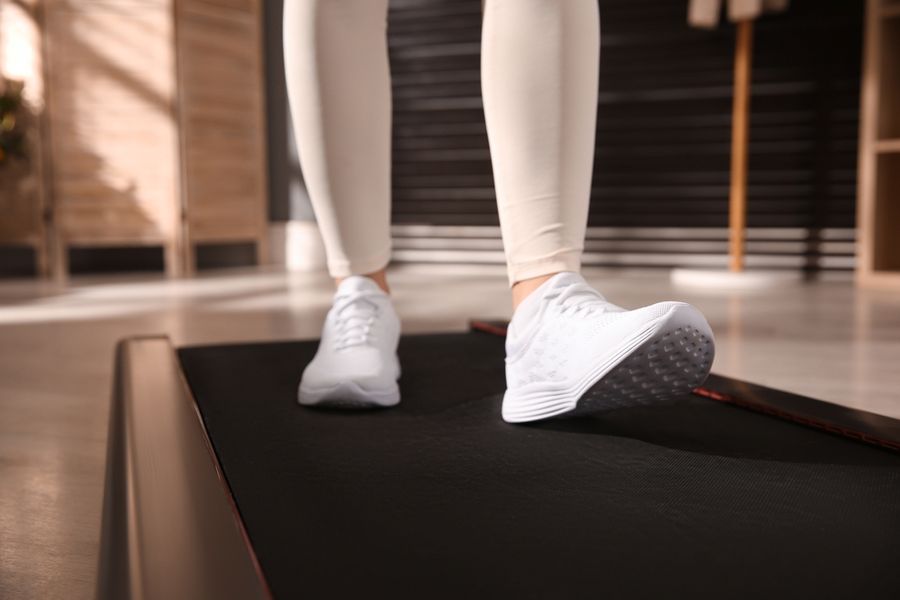
Walking pads are slim treadmills designed for use under standing desks . Instead of sitting, you walk slowly while working. This allows for upright movement and engages more of the body, including legs, core, and posture muscles.
Walking pads work best for tasks that do not require precise hand movements, such as reading emails, listening to calls, or thinking through problems. Walking while typing is possible for some users, but it often takes practice. Because walking pads require standing desks and more space, they may not suit every work environment.
Movement Intensity and Physical Impact
The type of movement each device provides is an important difference. Under-desk ellipticals offer light, continuous motion that keeps the legs active without raising heart rate too much. This makes them well suited for long periods of use without causing fatigue or sweating.
Walking pads provide more natural movement and slightly higher intensity, even at slow speeds. Walking engages more muscles and can feel more energizing, especially during longer work sessions. However, the increased movement may also lead to tired legs if used for extended periods without breaks.
Choosing between them often depends on how much movement you want during the day and how your body responds to activity while working.
Noise, Space, and Office Fit
Noise and space matter, especially for home offices or shared work environments. Under-desk ellipticals are generally quiet and compact. They fit under most desks and do not require changes to your workspace. This makes them easy to use in apartments, shared offices, or quiet rooms.
Walking pads take up more floor space and require a standing desk setup. While many are designed to be quiet, the sound of footsteps and the motor may still be noticeable. In shared spaces, this can be a concern. Storage is another factor, as walking pads may need to be moved or folded when not in use.
Focus and Productivity Considerations
Maintaining focus while moving is a key concern for many workers. Under-desk ellipticals tend to have less impact on concentration because the movement is subtle and seated. Many users report that they forget they are pedaling after a short time.
Walking pads demand more coordination, especially at first. Balancing walking and typing can feel awkward, and some tasks may be better suited for sitting or standing still. Over time, many people learn to match walking speed with task difficulty, using slower movement for focused work and faster walking for listening or thinking tasks.
Flexibility and Daily Use Patterns
Flexibility is another difference between the two options. Under-desk ellipticals can be used at any seated desk, making them easy to integrate into existing routines. You can start and stop movement quickly without adjusting desk height or posture.
Walking pads are more structured. They require standing and often work best when scheduled into specific parts of the day. Some users prefer to alternate between sitting, standing, and walking, using the walking pad for set periods rather than all day.
Your work style plays a big role here. If you prefer constant light movement, an under-desk elliptical may fit better. If you like changing positions and adding defined movement breaks, a walking pad may be more appealing.
Health and Comfort Over Time
Both devices support better circulation and reduce long periods of inactivity, but comfort matters for long-term use. Under-desk ellipticals are easier on the feet and knees since you remain seated and supported. This can be helpful for people with joint sensitivity or balance concerns.
Walking pads encourage upright posture and weight-bearing movement , which some people find beneficial. However, standing and walking for long periods can strain feet or lower back if not balanced with rest. Proper footwear and pacing are important for comfort.
Listening to your body and alternating movement types can help prevent discomfort regardless of which option you choose.
Conclusion: Choosing the Right Fit for Your Workday
Under-desk ellipticals and walking pads both offer practical ways to add movement to the workday, but they serve different needs. Under-desk ellipticals provide quiet, low-impact motion that blends easily with focused tasks and seated work. Walking pads offer more natural movement and higher engagement, best suited for standing desks and less detail-heavy tasks. The best choice depends on your workspace, work style, and comfort preferences. By matching the tool to your daily routine, you can stay more active without sacrificing productivity or focus.