
Wearable sleep trackers have become common tools for people who want to understand their sleep habits better. Watches, rings, and bands promise insights into sleep quality, recovery, and daily readiness. But with so many charts and numbers, it can be hard to know what really matters. Not all sleep data is equally useful. Understanding which metrics help guide better habits — and which ones can be ignored — makes sleep tracking more practical and less confusing.
Total Sleep Time and Sleep Consistency
One of the most useful pieces of data from any sleep tracker is total sleep time. Knowing how many hours you actually sleep each night helps you compare intention with reality. Many people believe they are getting enough rest, only to discover they are consistently short by an hour or more.
Consistency matters just as much as duration. Trackers that show bedtimes and wake times across the week highlight patterns that affect energy and mood . Going to sleep and waking up at wildly different times often leads to fatigue, even if total sleep hours look fine. Focusing on regular sleep windows is one of the simplest ways to improve rest, and trackers make this pattern easy to see.
Sleep Stages: Helpful but Not Precise
Most wearable sleep trackers break sleep into stages such as light, deep, and REM sleep. These charts can be interesting, but they should be viewed as estimates rather than exact measurements. Wearables use movement and heart signals to guess sleep stages, not direct brain activity.
Stage data becomes useful when viewed as a trend over time instead of a single night. For example, noticing consistently low deep sleep may signal poor sleep habits, late caffeine use, or high stress. However, worrying about hitting a perfect stage balance often causes more stress than benefit. Use sleep stages to spot broad patterns, not to judge nightly success or failure.
Heart Rate and Nighttime Recovery Signals
Heart rate during sleep is one of the more reliable data points wearables provide. A lower, steady heart rate at night often reflects better recovery and calmer sleep. Watching changes in average sleeping heart rate over time can reveal how lifestyle habits affect rest.
An elevated nighttime heart rate may appear after poor sleep, late meals, alcohol, or high stress days. When paired with daily habits, this data helps connect cause and effect. Instead of focusing on single spikes, look for sustained changes across several nights. That long-term view offers more useful insight than reacting to one restless evening.
Movement and Sleep Interruptions
Sleep trackers also record movement during the night, including tossing, turning, and brief awakenings. This data helps identify restless sleep, even if you do not remember waking up. Frequent movement can signal discomfort, stress, noise, or temperature issues in the sleep environment.
Movement data is especially helpful when testing small changes. Adjusting room temperature, bedding, or sleep position often shows up as reduced movement over time. This makes movement tracking a practical tool for improving comfort rather than worrying about abstract scores.
Sleep Scores: Use With Caution
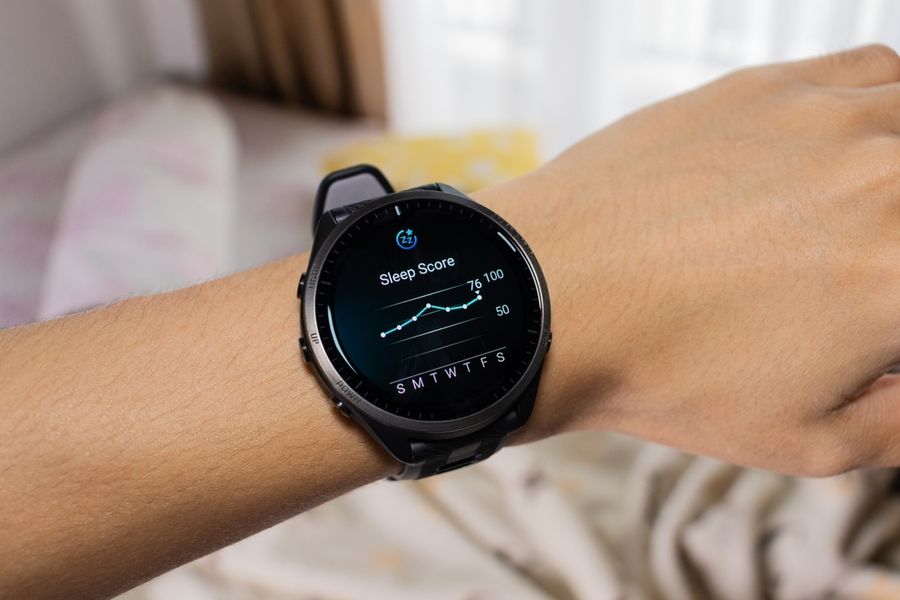
Many wearables present a single sleep score meant to summarize the night. While convenient, these scores combine many factors into one number using formulas that vary by brand. As a result, sleep scores are best used as a general signal, not a strict grade.
A low score can highlight a rough night, but it does not mean the day is ruined. Likewise, a high score does not guarantee high energy. Sleep scores become more useful when viewed alongside trends and habits instead of as daily judgments. Let scores guide curiosity, not dictate mood or behavior.
What Data Often Causes Unnecessary Stress
Some data points create anxiety without offering clear action. Minute-by-minute charts, overly detailed graphs, or constant alerts about “poor sleep” can lead to overthinking. This is sometimes called sleep stress, where worrying about sleep quality actually makes sleep worse.
If certain metrics cause frustration or pressure, they may not be helpful for you. The goal of sleep tracking is better rest, not perfection. Many people benefit from hiding or ignoring data that does not support positive changes.
How to Turn Sleep Data Into Better Habits
The most useful sleep data connects directly to actions you can control. Bedtime consistency, screen use, caffeine timing, exercise, and stress management often show clear patterns in sleep reports. Focusing on one habit at a time makes changes easier to measure.
For example, you might track how earlier bedtimes affect total sleep time or how evening walks influence nighttime heart rate. Using data as feedback rather than judgment turns sleep tracking into a learning tool instead of a scorecard.
Reviewing sleep data weekly instead of daily also helps. Weekly patterns reveal more meaningful insights and reduce emotional reactions to single nights.
When to Trust Patterns Over Numbers
No wearable perfectly measures sleep. Differences in skin contact, movement, or device placement all affect readings. Because of this, patterns matter more than exact values. If your tracker consistently shows poor sleep during stressful weeks and better sleep during calm routines, that pattern is valuable even if the exact numbers are imperfect.
Listening to how you feel during the day remains important. Energy, focus, and mood provide real-world feedback that numbers cannot fully capture. The best use of sleep data supports awareness, not replaces personal experience.
Focus on Data That Supports Better Sleep
Wearable sleep trackers offer useful insights when used thoughtfully. Total sleep time, consistency, heart rate trends, and movement patterns provide the most practical guidance. Sleep stages and scores can add context but should not become sources of stress.
By focusing on trends and linking data to daily habits, sleep tracking becomes a helpful tool rather than a distraction. The most useful sleep data is not the most detailed — it is the data that helps you rest better and feel better over time.