

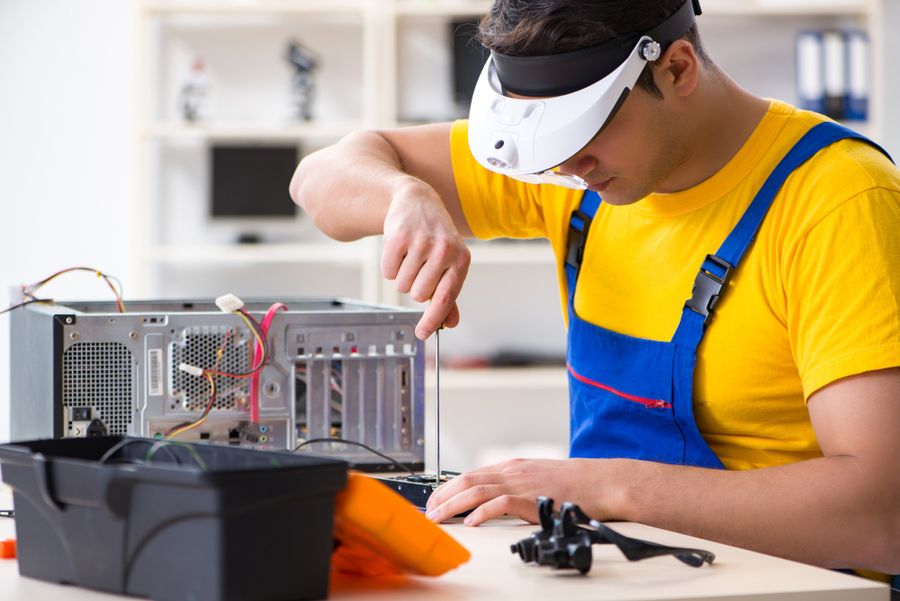
Refurbished electronics can be a smart way to get reliable devices while avoiding the cost and waste of buying brand new. Many refurbished products come from returns, display models, or lightly used items that were restored to working condition. Still, not all refurbished electronics are equal. Knowing what to check before buying helps you avoid surprises and choose devices that will last. Understand key factors that can make refurbished purchases feel far more confident and predictable.
Understand What “Refurbished” Really Means
The term “refurbished” can cover a wide range of conditions. In general, it means the device was previously owned or used, then inspected, tested, and restored to working order. However, the level of repair and testing can vary depending on who handled the refurbishment.
Some devices are factory refurbished by the original manufacturer, while others are restored by third-party sellers . Factory refurbished items often follow stricter testing standards, while third-party refurbishers may vary in quality. Reading how the seller defines refurbished status helps set realistic expectations about cosmetic wear, accessories, and overall condition.
Check the Seller and Refurbishment Source
Who refurbished the device matters just as much as the device itself. Established manufacturers and well-known retailers usually have clearer refurbishment processes and return policies. They tend to test components more thoroughly and replace worn parts before resale.
If buying from a third-party seller, look for transparency. Clear descriptions of testing, part replacement, and grading systems are good signs. Vague listings that lack detail can signal rushed or minimal refurbishment. Trustworthy sellers explain what was checked and what was replaced, not just that the device “works.”
Review Warranty and Return Policies Carefully
A warranty is one of the strongest indicators of confidence in a refurbished product. Many refurbished electronics include limited warranties , even if they are shorter than those for new devices. A warranty shows the seller stands behind the product if issues arise shortly after purchase.
Return policies matter just as much. Having a reasonable return window allows you to test the device under normal use. This is especially important for electronics, where problems like battery wear or connection issues may not appear immediately. Before buying, confirm how returns work and whether restocking fees apply.
Inspect Battery Health and Wear-Prone Parts
Battery condition is one of the most important checks for refurbished electronics, especially for phones, laptops, and tablets. Batteries wear down over time, and a refurbished device may still have an older battery unless it was replaced during refurbishment.
Look for information on battery testing or replacement. Some sellers confirm that batteries meet a minimum health standard, while others replace them entirely. Also pay attention to other parts that wear with use, such as ports, buttons, and hinges. These components should feel solid and responsive, not loose or inconsistent.
Confirm Included Accessories and Compatibility
Refurbished devices do not always include the same accessories as new products. Charging cables, power adapters, styluses, or headphones may be missing or replaced with generic versions. Checking what is included prevents frustration after delivery.
Compatibility is also important. Make sure the device supports current software updates and works with accessories you already own. Older models may function well but no longer receive updates or support newer apps. Verifying compatibility helps ensure the device remains useful for more than just the short term.
Check Cosmetic Condition and Grading Terms
Refurbished electronics often use grading terms like “excellent,” “good,” or “acceptable” to describe appearance. These grades usually refer to cosmetic condition, not performance. Minor scratches, small dents, or screen marks are common and do not affect function.
Understanding grading terms helps you decide what cosmetic wear you are comfortable with. If appearance matters, look for detailed photos or descriptions. If function is the priority, minor wear may be an easy tradeoff. The key is knowing what to expect before the device arrives.
Verify Device History and Reset Status
Before use, refurbished electronics should be fully reset and cleared of previous data. Devices tied to prior user accounts or locks can be difficult or impossible to activate. Sellers should confirm that the device is factory reset and ready for setup.
For certain electronics, it may also be helpful to check model numbers and manufacturing dates. This ensures you are getting the version you expect and not an older variation with limited support. Clear device history reduces setup problems and protects your data security.
Refurbished Buying With Confidence
Buying refurbished electronics can be a practical and rewarding choice when done carefully. By understanding what refurbished really means, checking the seller, reviewing warranties, and paying attention to battery health and accessories, you reduce risk significantly.
Refurbished devices work best when expectations are clear and checks are thorough. With the right preparation, refurbished electronics can deliver reliable performance and long-term value without unnecessary surprises.