

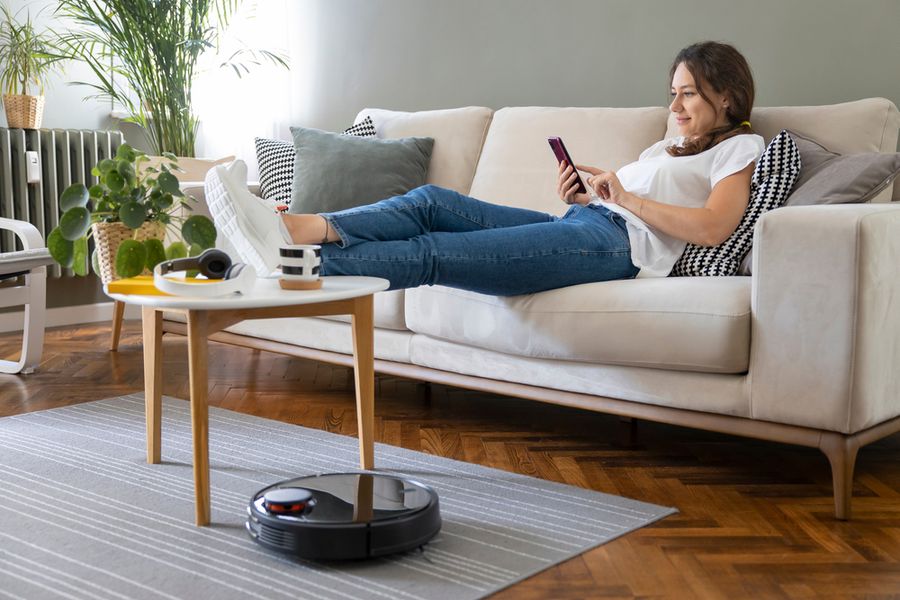
Robot vacuums can make everyday cleaning far easier, but not every model performs the same on every floor surface. Hard floors like wood and tile behave differently than carpets and rugs, and some robot vacuums handle transitions between surfaces better than others. Choosing the right robot vacuum based on your floor type helps you get better cleaning results with less frustration. The key is knowing what features matter most for your home’s specific flooring.
Understanding How Floor Types Affect Performance
Different floor types pose different challenges for robot vacuums. Hard surfaces like hardwood, tile, and laminate are smooth and allow most robot vacuums to glide easily. Dust, crumbs, and pet hair usually collect on the surface, so the vacuum needs strong suction and good edge cleaning.
Carpeted floors, on the other hand, require stronger suction and brush action. Loose fibers can trap debris, and thicker carpets may need a more powerful motor or special brush design to lift dirt effectively. Area rugs with fringes or uneven edges can also confuse some robots. Rugs can snag brushes or cause the robot to get stuck if the wheels cannot climb the edge.
Understanding these differences helps you narrow down which features matter when comparing models. A robot that shines on one surface may struggle on another without the right design.
Key Features for Hard Floors
If your home is mainly hardwood, tile, or laminate, look for robot vacuums with features that make the most of these smooth surfaces. Strong suction matters, but brush design is equally important. Many models use a combination of side brushes and a central brush to sweep debris toward the suction inlet. For hard floors, brush rolls that are soft or rubberized help avoid scattering dust and crumbs.
Another useful feature is edge cleaning. Natural crevices along baseboards and corners often collect dust that even strong suction may miss. Robot vacuums with side brushes that extend slightly into edges help pull dirt into the cleaning path.
Sensors also play a role. Robots that detect surface type can change suction power automatically when moving from hard floors to rugs or mats. This adaptability helps maintain consistent cleaning performance without manual intervention.
Key Features for Carpeted Floors
Carpets require a different approach. The fibers can hide debris, which means a robot vacuum must reach deeper than surface-level cleaning . Stronger suction and a brush roll designed to agitate fibers are important. Some models use dual brush rolls or bristle designs that lift dirt as the robot passes over the carpet.
Another feature to look for is the ability to adjust suction automatically based on floor type. On carpets, this helps ensure the robot pulls debris from deeper within the fibers rather than just skimming the top. Models with carpet boost or similar technology increase suction when extra cleaning power is needed.
Navigation and wheel design also matter on carpets. Thicker carpets or high-pile rugs can slow down or trap robots that have small wheels or low ground clearance. A robot that can climb modest thresholds and maintain traction will handle transitions between surfaces more reliably.
Multi-Surface Cleaning and Mapping
Many homes have mixed floor types, such as hardwood in living areas and carpet in bedrooms. For these situations, multi-surface robot vacuums are often the best choice. These models use sensors or mapping technology to recognize floor changes and adjust cleaning behavior accordingly.
Some robot vacuums create a map of your home as they clean. This map helps the robot remember room layouts, avoid obstacles, and plan the most efficient path. Mapping can also allow you to set specific cleaning zones. For example, you might prioritize carpeted rooms more often while scheduling hard floors for everyday cleaning.
If mapping is important to you, look for models that store floor plans and let you customize cleaning schedules room-by-room. This gives you more control over how each floor type is addressed.
Maintenance and Brush Considerations
Regular maintenance helps any robot vacuum perform better, especially when switching between floor types. Brushes can get tangled with hair or fibers, and suction inlets can collect dust over time. Cleaning brushes and emptying dustbins frequently keeps performance consistent.
For homes with long pet hair or thicker carpets, models with easily removable brush rolls are easier to maintain. Some robots offer brushless designs or rubberized brush rolls that resist hair wrapping. These designs can reduce the frequency of manual cleaning and improve long-term performance on different surfaces.
Filters also matter. Fine dust and allergens are easier to capture when the robot has a quality filter that traps small particles. This is especially useful on hard floors where dust remains on the surface before being picked up.
Navigation, Sensors, and Floor Transitions
Navigation technology helps robots move between floor types more smoothly. Cliff sensors prevent falls down stairs, while obstacle sensors help robots avoid getting stuck on low furniture or rug edges. Some advanced models use visual or laser sensors to create a more accurate map of the space, which improves navigation and reduces missed spots.
Floor transitions—such as between hard wood and carpet—can trip up some robots. Look for models that specify “threshold climbing” or “transition support” in their features. Robots that handle these transitions well are less likely to stall or miss areas during cleaning.
Match the Robot to Your Floors
Choosing a robot vacuum based on your floor type makes everyday cleaning more effective and less frustrating. Hard floors benefit from strong suction, good edge cleaning, and soft brushes, while carpets require powerful suction, aggressive brush action, and good wheel traction. Mixed floors call for adaptable models with sensors, mapping, and multi-room scheduling.
Regular maintenance and thoughtful feature selection help ensure your robot vacuum keeps your floors clean without constant supervision. With the right match, robot vacuums can turn once-tedious chores into background tasks that mostly take care of themselves.