

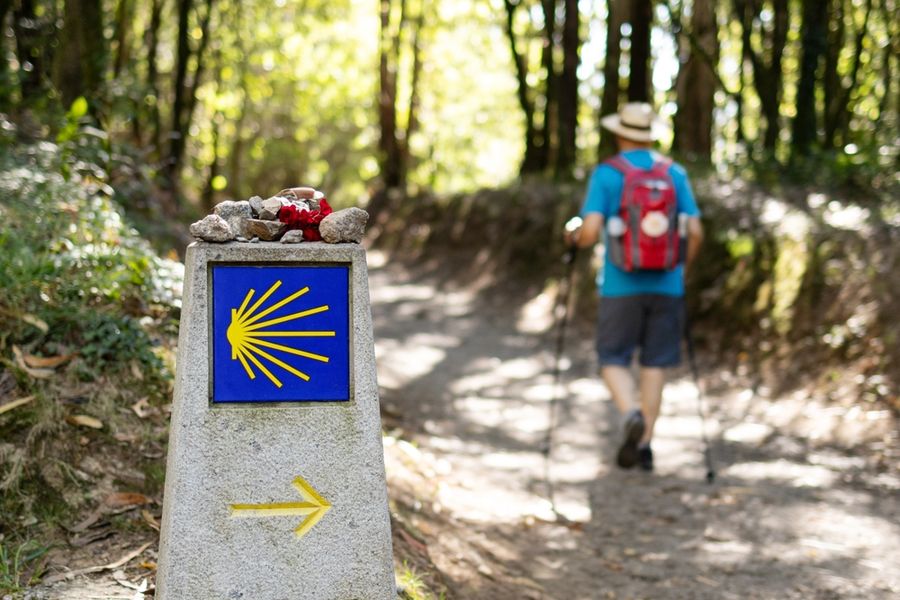
The Camino de Santiago is more than a long walk across Spain. For many travelers, it is a physical journey, a personal challenge, and a spiritual experience all at once. Each year, people from the United States and around the world set out on an historic route for many different reasons. Before starting, it helps to understand what the Camino involves, how to prepare, and what daily life on the trail is really like.
Understanding What the Camino de Santiago Is
The Camino de Santiago is a network of pilgrimage routes that lead to the city of Santiago de Compostela in northwest Spain. The most well-known route is the Camino Francés, which begins in southern France and crosses northern Spain. Other popular routes include the Camino Portugués, Camino del Norte, and Camino Primitivo.
Pilgrims walk the Camino for many reasons. Some are motivated by faith, others by curiosity, reflection, or the desire for a long-distance walking challenge. There is no single “right” reason to walk. The Camino welcomes people of all backgrounds, ages, and beliefs, and the experience often becomes deeply personal over time.
How Long the Pilgrimage Takes
The length of your Camino depends on the route you choose and how much time you have. The Camino Francés is roughly 500 miles long and typically takes about four to six weeks to complete on foot. Shorter routes or partial sections are common, especially for people with limited vacation time.
Many pilgrims walk between 12 and 15 miles per day , though daily distances vary based on terrain, fitness, and personal preference. Some days feel easy, while others can be physically demanding. Planning a flexible schedule allows room for rest days or shorter walks when needed.
Physical Preparation and Fitness
You do not need to be an athlete to walk the Camino, but basic preparation makes the journey more enjoyable. Walking regularly in the months before departure helps condition your legs, feet, and joints. Practice walks with a backpack are especially useful, as carrying weight changes how your body feels over long distances.
Blisters, sore muscles, and fatigue are common early on. Many pilgrims say the body adjusts after the first week, but listening to your body is important. Taking breaks, stretching, and pacing yourself reduces the risk of injury. Good preparation focuses on consistency rather than speed or distance.
What to Pack (and What Not to)
Packing light is one of the most important lessons of the Camino. Everything you bring, you carry. Most experienced pilgrims recommend keeping your backpack as light as possible, with only essentials.
Comfortable walking shoes or boots are critical. They should be well broken in before the trip. Clothing should be simple, breathable, and easy to wash and dry. Many pilgrims rotate just two sets of walking clothes.
Other useful items include a refillable water bottle, basic first aid supplies, sun protection, and rain gear. Avoid packing items “just in case.” Along the Camino, towns are frequent, and supplies are easy to find. Carrying less weight makes each day easier and more enjoyable.
Daily Life on the Camino
Life on the Camino follows a simple rhythm. Most pilgrims wake early, walk during the cooler morning hours, stop for food and rest along the way, and arrive at their destination by afternoon. Afternoons are often spent showering, doing laundry, eating, and socializing.
Accommodation ranges from pilgrim hostels to small hotels. Many pilgrims stay in shared dorm-style rooms, which encourages conversation and connection. Evenings are usually quiet, as people rest for the next day’s walk.
Meals are simple but satisfying, and walking builds a strong appetite. Sharing meals with other pilgrims is a common and meaningful part of the experience.
The Social and Cultural Experience
One of the most unexpected aspects of the Camino is how social it can be. Pilgrims often walk alone during the day but meet the same people again and again in the evenings. Conversations form naturally, and friendships can develop quickly.
Language differences rarely become barriers. Many pilgrims speak English, and gestures and shared experiences fill the gaps. Locals along the route are used to pilgrims and often offer encouragement or simple kindness.
At the same time, the Camino allows space for solitude. You can choose quiet stretches for reflection or conversation when you feel like connecting. This balance is part of what makes the Camino special.
Mental and Emotional Preparation
The Camino is as much a mental journey as a physical one. Walking day after day creates space for thought, reflection, and emotional shifts. Some days feel joyful and light, while others feel challenging or quiet.
Letting go of expectations helps. The Camino rarely unfolds exactly as planned, and learning to adapt becomes part of the experience. Many pilgrims find that the simplicity of daily walking brings clarity and perspective that stays with them long after the journey ends.
A Journey That Teaches as You Walk
The Camino de Santiago is not just about reaching Santiago de Compostela. It is about the process of walking, meeting people, and learning to live simply one day at a time.
With thoughtful preparation, realistic expectations, and an open mindset, the pilgrimage can be deeply rewarding. Whether you walk for faith, curiosity, or personal growth, the Camino has a way of giving each pilgrim exactly the experience they need.