

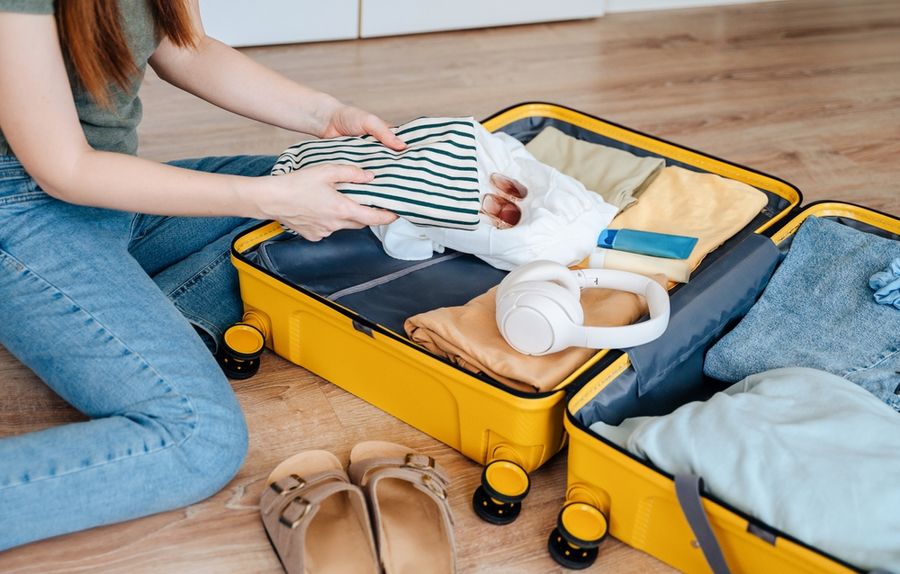
Packing for a short trip often comes with one big question: should you take only carry-on luggage or check a bag? For trips under one week, many travelers try to fit everything into a carry-on to save time and avoid baggage claims. But checked luggage can offer more space and flexibility when needed. Choosing the right approach depends on several factors — and making the right choice can make the whole trip easier.
Benefits of Using Carry-On Luggage
One of the biggest advantages of carry-on luggage is speed and convenience. When you stick with a carry-on, you skip the baggage drop-off line at departure and you’re out of the airport faster at arrival. This can make a big difference if you’re flying into a city with tight connections, rental car pickup, or a short travel window.
Carry-ons also reduce the risk of lost luggage . When your bag stays with you on the plane, there’s no chance it will get left behind or sent to the wrong city. For short trips, the essentials you need — clothes, toiletries, and important documents — are all in your control from door to destination.
Another benefit is cost savings. Many airlines charge extra for checked bags, and those fees add up quickly. If you can fit everything into a carry-on that meets airline size and weight rules, you avoid those charges altogether. This can make a noticeable difference over multiple trips.
When Checked Luggage Makes Sense
Although carry-ons are convenient, checked luggage has important advantages for certain travel plans. If you plan to bring bulkier clothing, like coats or multiple shoes, a checked bag can prevent your carry-on from becoming overpacked and overweight. Checked luggage also helps when you’re traveling with items that are awkward to fit into a smaller space, such as gym gear, large souvenirs, or work equipment.
Checked luggage can also help you avoid laundry during your trip. Packing enough clean clothes for several days may be difficult in a carry-on, especially if your itinerary includes both work and leisure events. Having more space gives you flexibility to pack outfits without having to plan too tightly.
Some travelers also prefer a checked bag when they arrive at a destination where dragging luggage around is not convenient — for example, if your hotel is far from the gate or you plan to use public transportation. A larger checked bag that goes straight to your room lets you move lighter between airport terminals and transportation hubs.
How to Decide Based on Your Itinerary
Your travel itinerary plays a big role in deciding between carry-on and checked luggage. If your plans involve multiple short flights or tight connections, a carry-on is usually easier. The ability to board quickly and disembark without waiting for a carousel can keep your schedule on track.
For trips with few stops, longer layovers, or travel to a single destination, checked luggage might be less of an inconvenience. If you plan to spend most of your time in one place and then return home without additional flights, the extra space in a checked bag can feel liberating.
Consider also where you’re heading. If your destination has limited space for storing bags, like small hotel rooms or Airbnb apartments, carrying on a single bag might make your stay more comfortable. On the other hand, if you know you will have a car or large hotel closet, a checked bag fits more naturally into your plans.
Packing Strategies for Carry-On Success
Making a carry-on work for a trip under a week often requires intentional packing. Start by choosing versatile clothing that can be mixed and matched. Neutral colors and layers help you adapt to different activities and weather without packing extra outfits.
Rolling clothes instead of folding can also make better use of compact space. Many travelers find that rolling reduces wrinkles and increases available room. You can also use packing cubes to organize items and compress them into tighter sections of the bag.
Toiletries are another area where carry-on travelers must be strategic. Follow airline rules for liquids and gels and use travel-size containers to avoid overweight issues. A dedicated toiletry bag helps keep these items tidy and easy to remove at security checkpoints.
Footwear often takes significant space, so think carefully about how many pairs you really need. Wearing your bulkiest shoes on the plane and packing lighter ones in your bag can free up room for clothing or accessories.
Tips for Checked Luggage on Short Trips
If you choose to check a bag, a few habits can make the experience smoother. Use a durable suitcase with good wheels and a secure lock. Packing items in layers or using soft packing cubes can protect delicate clothes and make it easier to find items without completely unpacking.
Place a small toiletry bag, phone charger, or a change of clothes in your carry-on. In rare cases when a checked bag is delayed, having essentials with you means less stress while you wait.
Label your checked luggage clearly with a tag that has your name and contact information. Some travelers also use a distinct strap or ribbon so their bag is easier to spot at arrival.
Match Your Choice to Your Trip
For trips under one week, both carry-on and checked luggage have valid advantages. Carry-ons offer speed, control, and lower costs, while checked bags provide space, flexibility, and the ability to pack more freely.
The best choice depends on your itinerary, how much you plan to bring, and your tolerance for packing discipline. Thinking through your travel needs and habits helps you pick the approach that makes moving from departure to arrival as smooth and stress-free as possible.