

When preparing for a trip, finding ways to save space in your luggage can make travel easier and less stressful. Two popular tools for organizing and compacting clothes are packing cubes and compression bags. Both promise more room, but they work in different ways and shine in different situations. Understanding how each one affects space, organization, and accessibility helps you choose the right approach for your suitcase, carry-on, or backpack.
How Packing Cubes Work
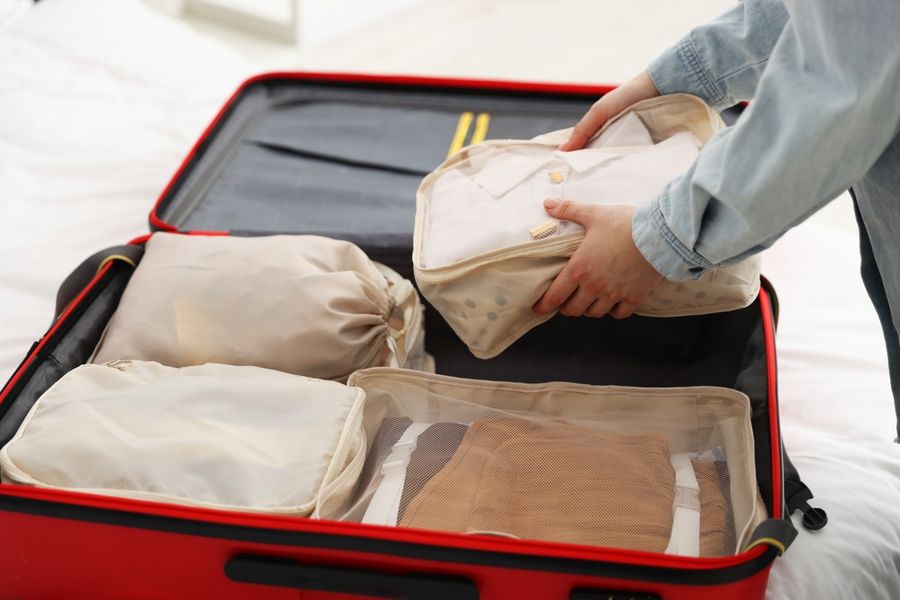
Packing cubes are soft fabric containers that help group clothing and accessories into organized sections. They come in various shapes and sizes, allowing you to separate shirts, pants, underwear, or accessories in a neat system inside your bag. By creating defined compartments, packing cubes keep items from shifting and make it easier to find what you need without emptying the entire suitcase.
While packing cubes help with organization and can slightly compress clothes by holding them tightly together, they do not remove air from the contents. This means that while cubes help keep your bag tidy and make use of unused corners , the overall volume of the clothes remains similar to what it would be without cubes. The benefit lies more in efficient arrangement than in dramatic space savings.
Many travelers find that packing cubes help them avoid overpacking because they allow you to see exactly what you are bringing. By limiting each cube’s space, you naturally become more intentional about what goes inside. For short trips or travel with frequent stops, packing cubes help make luggage manageable and accessible.
What Compression Bags Do
Compression bags take a different approach by reducing the volume of clothes before you place them into a bag. These bags are usually made of plastic and have a zipper seal. Some compression bags require a vacuum or manual rolling to push air out, which removes dead space around clothes. By removing air, compression bags shrink bulky items like sweaters, jackets, and towels.
Because compression bags decrease volume, they can create noticeable space savings, especially for items that trap a lot of air. This makes compression bags appealing for travelers who want to maximize every inch of luggage space or need to fit seasonal gear into a smaller suitcase. In many cases, compression bags work well for bulkier clothing that doesn’t need frequent access.
However, compression bags make clothing denser, which can make it harder to find items quickly during your trip. If you need to remove something, unstuffing a compression bag can disrupt the compact bundle and require re-rolling or re-compressing to restore space savings. This trade-off between volume reduction and accessibility is central to deciding when and how to use compression bags.
Space Savings: Side-by-Side Comparison
When the goal is strictly saving space, compression bags generally outperform packing cubes. By removing trapped air, compression bags reduce the size of bulky clothing more effectively than simply organizing them. For example, a heavy sweater or winter coat can take up significantly less room in a compression bag than in a packing cube.
Packing cubes do not actively reduce volume the same way. Instead, they help you make better use of space by grouping items and preventing loose pieces from scattering. Packing cubes excel when items are already relatively flat or when you want to maintain easy access without unpacking and repacking. Their contribution to space savings is more indirect: improved arrangement, better corner use, and less wasted space around items.
One useful strategy is to combine both tools: use compression bags for bulkier clothing and packing cubes for shirts, underwear, and items you access often. This hybrid approach lets you shrink large items while keeping everyday clothes organized and easy to retrieve.
Accessibility and Travel Flow
Travel routines matter when choosing between packing cubes and compression bags. If you pack and unpack often, packing cubes help keep everything visible and easy to access. You can simply lift a cube out of your suitcase and find what you need without disturbing other items.
Compression bags are better suited for items you plan to leave packed for most of the trip. Because these bags compact items tightly, unpacking and repacking them can take extra effort. This makes compression bags less convenient for clothing you might need mid-trip, such as changing outfits or layering options. Choosing when to use compression bags depends on how frequently you expect to retrieve the items inside.
Choosing Based on Trip Type and Length
The right tool often depends on your destination and how long you will be gone. For short trips where you want quick access to a few outfits, packing cubes often feel more intuitive and manageable. They keep your suitcase tidy and let you see what you packed at a glance.
For longer trips or travel with varied weather conditions — where you may be carrying both light and heavy clothing — compression bags can be a game changer. These bags help you fit more while still leaving room for essentials and accessories. If your itinerary involves moving between locations and repacking multiple times, a mix of both tools helps balance space savings with ease of use.
Match the Tool to Your Packing Style
Packing cubes and compression bags both help make the most of limited luggage space, but they do so in different ways. Compression bags reduce bulk by removing air and shrinking the volume of dense items, while packing cubes focus on organization and efficient layout.
By understanding how each tool works, you can choose the one that fits your travel style — or use both together for the best of both worlds. Whether you value quick access, maximum space, or a mix of both, thoughtful packing tools make getting on the road smoother and less stressful.