

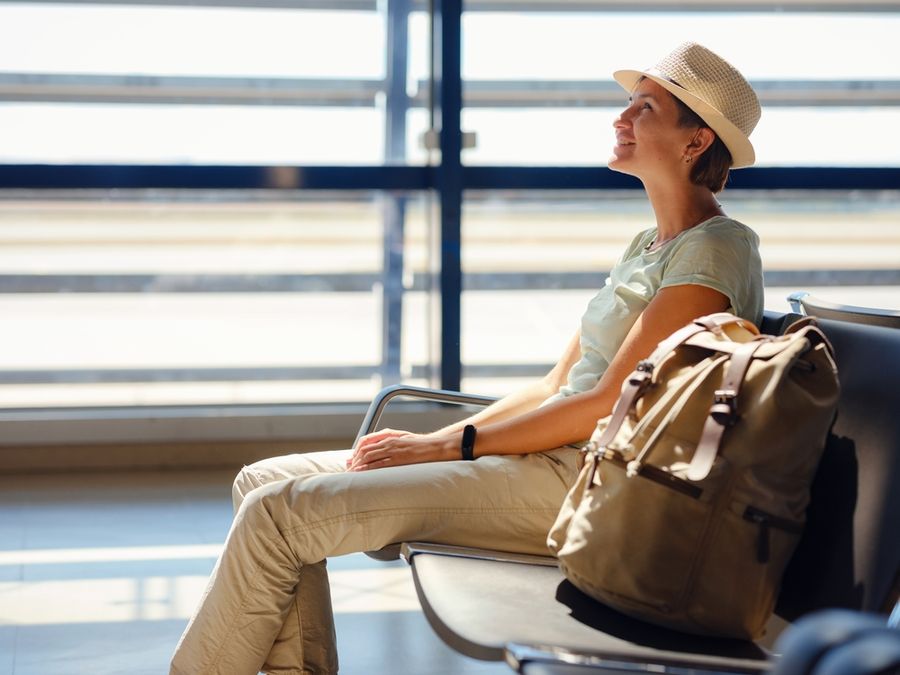
Airport travel can feel overwhelming, especially when lines, delays, and tight schedules pile up at once. Much of that stress comes from uncertainty and rushed decisions. The good news is that small changes in how you prepare and move through travel day can make a noticeable difference. With a few simple strategies, you can reduce friction, stay calm, and move through airports with more confidence and control from departure to arrival.
Prepare the Night Before to Avoid Morning Pressure
One of the easiest ways to reduce airport stress is to remove as many decisions as possible before travel day begins. Packing the night before, checking in online, and laying out travel documents creates a calmer start. When these tasks are finished ahead of time, mornings feel less rushed and mistakes are less likely.
It also helps to double-check flight times, gate information, and transportation plans before going to bed. Knowing when you need to leave and how you are getting to the airport prevents last-minute scrambling. Even small details, like charging your phone and headphones overnight, can reduce stress once you are on the move.
Build Extra Time Into Every Step
Travel days rarely go exactly as planned. Traffic, security lines, and boarding delays are common, even on quiet days. Building extra time into each step of the journey helps absorb these surprises without panic.
Arriving earlier than necessary allows you to move at a steady pace instead of rushing. Extra time also gives you space to handle issues calmly if something goes wrong, such as a long security line or a gate change. When you are not watching the clock constantly, your stress level stays lower throughout the airport experience.
Pack With Security and Boarding in Mind
How you pack directly affects how smoothly you move through security and boarding. Keep items you need to remove for screening, such as electronics or liquids, easy to reach. This reduces fumbling and speeds up the process.
Organizing your carry-on also helps after security. When important items like snacks, documents, or chargers are accessible, you avoid digging through bags in crowded areas. A simple, organized bag makes transitions faster and reduces frustration at multiple points during the day.
Simplify Your Airport Routine
Airports are full of choices, from food options to shopping and entertainment. While these can be enjoyable, too many decisions add mental strain. Creating a simple routine helps keep things predictable.
For example, you might always walk to the gate first before stopping for food or drinks. Knowing where you are going reduces uncertainty. If you prefer a specific type of meal or snack, planning ahead avoids last-minute searching. The more consistent your routine, the less energy you spend figuring out what to do next.
Manage Delays With Flexible Expectations
Delays are one of the biggest sources of airport stress, often because they feel out of your control. While you cannot prevent delays, you can manage how you respond to them. Going into travel day with flexible expectations makes disruptions easier to handle.
Instead of filling every minute with rigid plans, leave room for waiting. Bring something calming to do, such as a book, podcast, or downloaded show. When delays happen, you already have a way to pass time without frustration. This mindset shift helps turn waiting into a neutral experience rather than a stressful one.
Stay Grounded With Small Comfort Habits
Long travel days can take a physical toll, which often increases emotional stress. Small comfort habits help keep your body steady and your mind calm. Staying hydrated, eating regular meals, and stretching lightly while waiting can all make a difference.
Pay attention to signals like hunger, stiffness, or fatigue. Addressing these early prevents irritability later. Comfortable clothing and supportive shoes also help, especially when walking long distances between gates. Feeling physically at ease makes it easier to handle the mental side of travel.
Use Technology Without Overloading Yourself
Travel apps and notifications can be helpful, but too many alerts create noise. Use technology intentionally by enabling only the updates you actually need, such as boarding times or gate changes.
Downloading boarding passes, maps, and entertainment ahead of time reduces dependence on airport Wi-Fi. When your phone is prepared, you spend less time troubleshooting and more time moving smoothly through the airport. Technology should support your experience, not distract from it.
Focus on What You Can Control
Much of airport stress comes from worrying about things you cannot change, like weather or staffing issues. Shifting focus to what you can control helps restore a sense of calm . You can control your preparation, your pace, and how you respond to challenges.
When something unexpected happens, take a moment to pause and assess options before reacting. This small break often leads to better decisions and less emotional strain. Staying present and focused on the next manageable step keeps stress from building unnecessarily.
Calm Travel Starts With Simple Choices
Reducing airport stress does not require complex systems or perfect planning. It comes from small, thoughtful choices that add up over the course of the day. Preparing ahead, allowing extra time, simplifying routines, and staying flexible all contribute to a smoother experience.
By focusing on what you can control and letting go of what you cannot, travel days become calmer and more predictable. With the right strategies, airports feel less like obstacles and more like just another part of the journey.